YOU

Homo Sapiens

Background

Date range: Archaic - 300,000 – 150,000 years ago; modern - 200,000 years ago – present
Homeland: Originated in Africa and now lives worldwide  
Diet: Omnivorous; plants, meat, fruit, shellfish, anything 
Cranial Capacity: 1300 cc
Habitat: Varies dramatically now – from the northern regions of Russia to the deserts of of Africa to the rainforests of South America; orginiated in Africa 
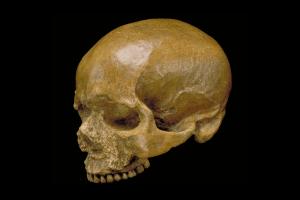
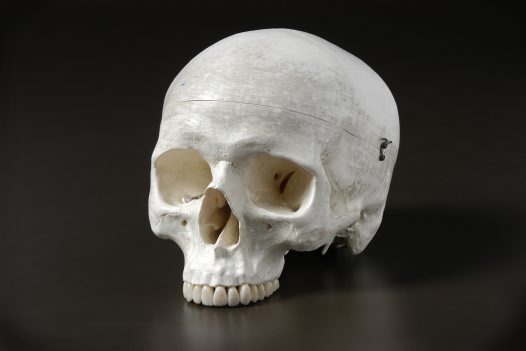
Distinguishing Features: Lighter skeletal build than earlier Homo species; taller forehead and limited brow ridge; broad skull and high braincase; protruding chin; parabolic shape dentition in jaw; reduced musculature; straight finger and toe bones (as opposed to curved phalanges of earlier ancestors); transverse and longitudinal arches in the feet for bipedalism

Do you think YOU
will be the survivor?

YOU are definitely a top contender in this fight for evolutionary survival. Your increased brain size has facilitated the development of increasingly complex culture and social organization, which gives you a considerable advanced edge. Your first ancestors shaped and used specialized stone tools to gather food; scavenging, gathering and hunting for food was true for all early Homo sapiens; larger brain size enabled a deeper and more complex culture to develop, which included art, conversation, and religion. YOU also developed a sophisticated use of fire which has significantly contributed to the full development of archaic humans to where we are today. 

Important fossils belonging to this contestant:

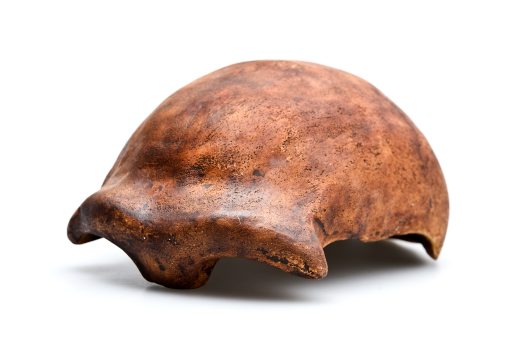
Herto - one of the earliest modern human skulls discovered; approx 160,00 years old 

Cro-Magnon 1 - one of the first modern human fossils ever found in western Europe

Skull of modern human. 

Works referenced: 
http://humanorigins.si.edu/evidence/human-fossils/species/homo-erectus
http://australianmuseum.net.au/homo-sapiens-modern-humans

Photo sources: 

http://australianmuseum.net.au/homo-sapiens-modern-humans
http://humanorigins.si.edu/evidence/human-fossils/fossils/cro-magnon-1
http://www.berkeley.edu/news/media/releases/2003/06/images/HsapiensAdultFE_med.jpg