Ardi

Ardipithecus ramidus 

Background

Date range: 4.4 million years ago 
Homeland: Middle Awash and Gona, Ethiopia (Eastern Africa)
Diet: Omnivorous; generalized diet of plants, meat and fruit
Cranial Capacity: 300-350 cc 
Habitat: Wooded, humid environment 
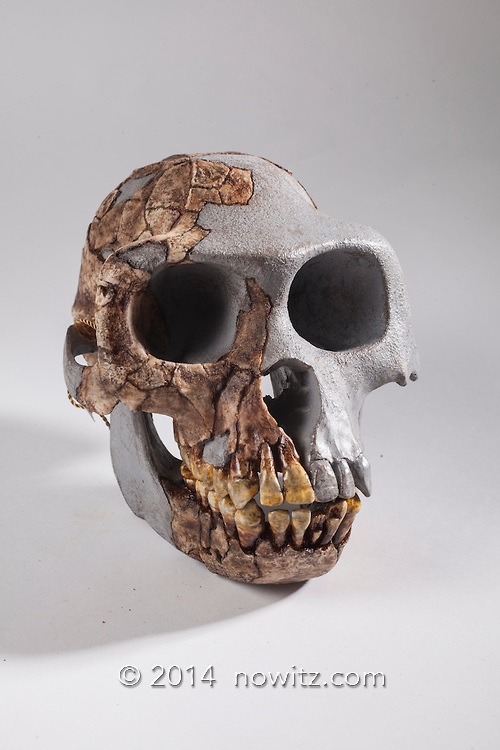
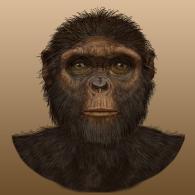
Distinguish Features: grasping big toe and hands (arboreal movement); wider pelvis shows signs of bipedal walking; very small stature (120 cm tall, similar to chimpanzee); curved fingers; flat feet; large canines and molars; facial prognathism; short cranial base, indicating the head balances on the spine. 
Do you think Ardi will be the survivor?

We don't think so. Ardi's small cranial capacity limits her social capabilities, and the weaker chewing muscles limits her from consuming tough foods. Ardi is one of the oldest hominid contestants, and her true name literally means ground and root ("ardi" and "ramid"), which is an important distinction as she is likely the ancestor that led to the development of the other species.

Other important fossils belonging to this contestant:

ARA-VP-6/500 - Highly fragmented and distorted partial skull

ARA-VP-6/500 - Highly fragmented and distorted partial skull

Sites referenced:
http://humanorigins.si.edu/evidence/human-fossils/species/ardipithecus-ramidus
http://australianmuseum.net.au/ardipithecus-ramidus

Photo sources: 
http://humanorigins.si.edu/evidence/human-fossils/species/ardipithecus-ramidus