Background
Date range: 2.4 - 1.4 million years ago
Homeland: Eastern and Southern Africa
Diet: Omnivorous, primarily vegetarian but ate meat and marrow; could eat thicker leaves and woody plants
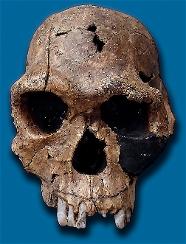
Cranial Capacity: 610 cc
Habitat: Grasslands; cooling temperatures during this time
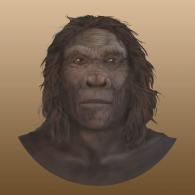
Distinguishing Features: brow ridge present but slight forehead developing; reduced prognathism in face and jaw compared to ancestors; smaller molars and large incisors relative to other teeth; long arms; thick enamel on teeth; strong precision grip; arches in feet; slightly curved fingers
The Handy Man certainly has a strong advantage in the Survivor challenge as he was the first to be found with strong evidence to demonstrate that the species used stone tools. This use of tools likely correlates with the increase in brain size evident in this species, which is the earliest identified species belonging to the genus Homo, though that is currently being debated. Arches in the feet show a similar striding gait like in modern humans
Important fossils belonging to this contestant:
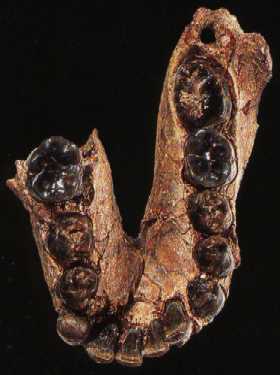
OH 7 - partial skeleton found in Tanzania; selected as type specimen; belongs to juvenile individual

OH 62 - greatly fragmented skeleton; indicated a more equal proportional relationship between the length of arms and legs (more ape like than previously considered)

Works referenced:
http://humanorigins.si.edu/evidence/human-fossils/species/homo-habilis
http://australianmuseum.net.au/homo-habilis
Photo sources:
http://humanorigins.si.edu/evidence/human-fossils/species/homo-habilis
http://www.odec.ca/projects/2011/yuyuya/images/oh7.jpg